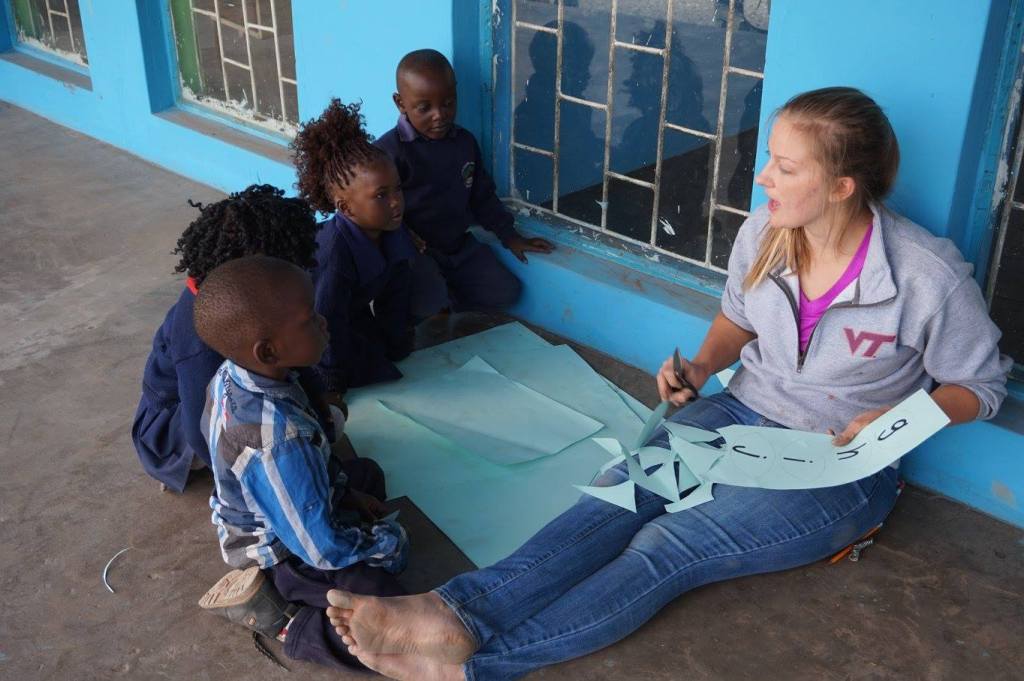
Over the course of my master’s degree program at Vanderbilt, I have had the opportunity to be exposed to a wide array of unique challenges, questions, histories, and contextualized analyses in the arena of international educational theory, research, and practice. I brought into the program a set of experiences in early childhood education, as both a teacher in the United States and volunteer in Zambia, which grounded me with a fundamental interest in early childhood education (ECE) as a pathway to global development. As I kept researching and investigating, I realized that in the field of ECE, so many complex questions about the role of education, the meaning of childhood, and the impacts of policy became central.
What do modern societies believe the role of young children is, and how does childhood take shape globally?
What should education be preparing children for—productivity, future workforce involvement, the unlocking of their freedom of thought and creativity, a social services hub for families and communities?
How do we define what “success” means for students, specifically in the early years, but across the educational trajectory?
What does it mean to build a functional system of education involving diverse perspectives and practices that enables access, quality, and equity for all students?
For me, early childhood education provides a rich environment within which to explore these issues.
This blog is intended to capture many of my interests in this area, and to analyze global approaches, histories, and developments in the field. I intend to keep engaging in these topics, and most importantly, I intend to use the skills and perspectives I have gained in a globally-informed program to make meaningful contributions wherever I am through the ability to ask important questions, evaluate and hold nuanced perspectives, and practically engage in the implementation of critical programs and policies that enable all students—from the early years through adulthood—to access high-quality educational opportunities.
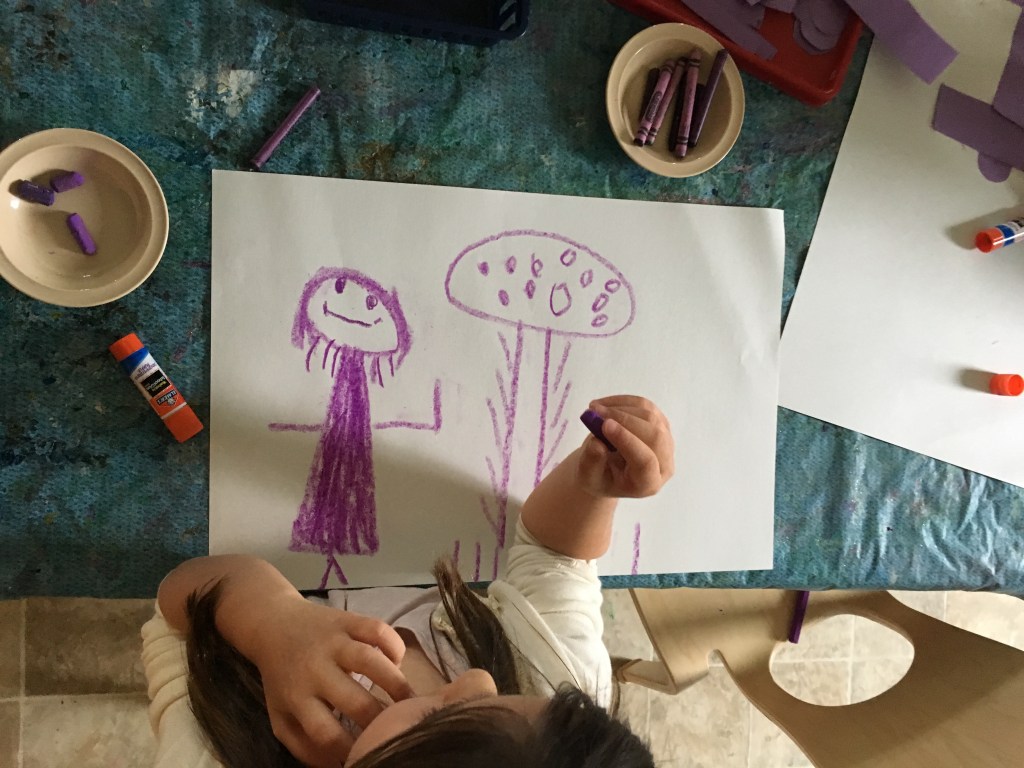
 The World of the Early Years: Global Early Childhood Education